Introduction:
Nonprofit organizations play a crucial role in addressing social issues and making a positive impact on society. To effectively manage their operations, engage with donors, and track their impact, nonprofit organizations can greatly benefit from utilizing Customer Relationship Management (CRM) software. CRM software specifically designed for nonprofits offers a range of features and functionalities tailored to their unique needs. In this article, we will explore some of the best CRM software options available for nonprofit organizations, highlighting their key features and benefits.
Benefits of Using CRM Software for Nonprofit Organizations
Are you a nonprofit organization looking for ways to streamline your operations and improve your efficiency? Look no further than CRM software! CRM, or Customer Relationship Management, software is not just for businesses. It can also be a game-changer for nonprofit organizations. In this article, we will explore the benefits of using CRM software for nonprofit organizations and highlight some of the best options available in the market.
One of the key benefits of using CRM software for nonprofit organizations is improved donor management. Donors are the lifeblood of any nonprofit, and maintaining strong relationships with them is crucial. With CRM software, you can easily track and manage donor information, including contact details, donation history, and communication preferences. This allows you to personalize your interactions with donors, sending them targeted messages and updates that resonate with their interests and values. By nurturing these relationships, you can increase donor retention and ultimately, secure more funding for your organization’s mission.
Another advantage of CRM software for nonprofit organizations is enhanced volunteer management. Volunteers play a vital role in the success of many nonprofits, and keeping track of their availability, skills, and interests can be a daunting task. CRM software simplifies this process by providing a centralized database where you can store volunteer information and schedule their assignments. You can also use the software to send automated reminders and updates to volunteers, ensuring that everyone is on the same page and maximizing their impact.
In addition to donor and volunteer management, CRM software can also help nonprofit organizations with event planning and fundraising. Planning and executing events can be time-consuming and complex, but with CRM software, you can streamline the process. The software allows you to create event registration forms, track attendee information, and send automated event reminders. You can also use the software to manage your fundraising campaigns, tracking donations and generating reports to measure your progress. By leveraging CRM software for event planning and fundraising, you can save time and resources, allowing you to focus on what really matters – making a difference in the lives of those you serve.
Now that we’ve explored the benefits of using CRM software for nonprofit organizations, let’s take a look at some of the best options available in the market. One popular choice is Salesforce Nonprofit Cloud. Salesforce is a well-known CRM provider, and their Nonprofit Cloud offers a range of features specifically designed for nonprofit organizations. From donor management to volunteer tracking, Salesforce Nonprofit Cloud has it all. Another great option is Bloomerang, a CRM software that focuses on donor retention and engagement. With its user-friendly interface and robust reporting capabilities, Bloomerang is a favorite among nonprofit professionals.
In conclusion, CRM software can be a game-changer for nonprofit organizations. From improved donor and volunteer management to streamlined event planning and fundraising, the benefits are undeniable. So, if you’re a nonprofit organization looking to take your operations to the next level, consider investing in CRM software. With the right software, you can build stronger relationships with your donors, engage your volunteers more effectively, and ultimately, make a bigger impact in your community.
Key Features to Look for in CRM Software for Nonprofits
When it comes to managing relationships with donors, volunteers, and other stakeholders, nonprofit organizations face unique challenges. That’s why finding the right Customer Relationship Management (CRM) software is crucial for their success. In this article, we will explore the key features that nonprofit organizations should look for when choosing CRM software.
First and foremost, a good CRM software for nonprofits should have robust donor management capabilities. This means that it should allow organizations to easily track and manage donor information, including contact details, donation history, and communication preferences. Additionally, the software should provide tools for segmenting donors based on various criteria, such as donation amount or frequency, so that organizations can tailor their outreach efforts accordingly.
Another important feature to consider is volunteer management. Nonprofits heavily rely on volunteers to support their mission, so having a CRM software that can effectively manage volunteer information is essential. The software should allow organizations to track volunteer availability, skills, and interests, making it easier to match volunteers with appropriate opportunities. It should also provide tools for scheduling and communicating with volunteers, ensuring smooth coordination and engagement.
In addition to donor and volunteer management, a good CRM software for nonprofits should offer robust fundraising capabilities. This includes features such as online donation forms, peer-to-peer fundraising tools, and event management capabilities. The software should make it easy for organizations to create and customize donation pages, track fundraising progress, and generate reports on campaign performance. Integration with popular payment gateways and email marketing platforms is also a plus.
Furthermore, a CRM software for nonprofits should have strong communication and engagement features. This includes email marketing tools, social media integration, and the ability to create personalized communication workflows. The software should allow organizations to send targeted emails to specific donor segments, automate communication based on predefined triggers, and track engagement metrics such as open rates and click-through rates. This will help nonprofits build stronger relationships with their supporters and keep them informed about their impact.
Data analytics and reporting capabilities are also crucial for nonprofits. A good CRM software should provide organizations with the ability to generate custom reports and dashboards, allowing them to track key performance indicators and measure the effectiveness of their fundraising and engagement efforts. The software should also offer advanced analytics features, such as predictive modeling and data visualization, to help nonprofits gain deeper insights into their data and make data-driven decisions.
Lastly, ease of use and affordability are important considerations for nonprofits. The CRM software should have a user-friendly interface and intuitive navigation, making it easy for staff and volunteers to learn and use. It should also offer flexible pricing options, including discounts or special plans for nonprofits, to ensure that it is accessible to organizations of all sizes and budgets.
In conclusion, finding the best CRM software for nonprofit organizations requires careful consideration of key features. Donor management, volunteer management, fundraising capabilities, communication and engagement features, data analytics and reporting, ease of use, and affordability are all important factors to consider. By choosing a CRM software that meets these criteria, nonprofits can effectively manage their relationships, streamline their operations, and ultimately achieve their mission more efficiently.
Top CRM Software Options for Nonprofit Organizations
When it comes to managing relationships with donors, volunteers, and other stakeholders, nonprofit organizations face unique challenges. They need a robust customer relationship management (CRM) software that can handle their specific needs. In this article, we will explore the top CRM software options for nonprofit organizations.
One of the best CRM software options for nonprofits is Salesforce Nonprofit Cloud. This powerful platform offers a wide range of features tailored to the needs of nonprofit organizations. With Salesforce Nonprofit Cloud, you can easily track and manage donor information, create personalized communication campaigns, and analyze data to make informed decisions. It also integrates seamlessly with other Salesforce products, such as Marketing Cloud and Service Cloud, providing a comprehensive solution for your organization’s needs.
Another excellent CRM software option for nonprofits is Bloomerang. This user-friendly platform is designed specifically for small and medium-sized nonprofits. It offers a simple yet powerful interface that allows you to easily manage donor relationships, track donations, and create customized reports. Bloomerang also provides built-in email marketing tools, making it easy to communicate with your donors and keep them engaged.
If you’re looking for a CRM software that offers a wide range of features at an affordable price, consider DonorPerfect. This comprehensive platform allows you to manage all aspects of your nonprofit organization, from donor management to event planning. DonorPerfect offers robust reporting and analytics capabilities, allowing you to gain valuable insights into your organization’s performance. It also integrates with popular accounting software, such as QuickBooks, making financial management a breeze.
For nonprofits that rely heavily on volunteers, VolunteerHub is an excellent CRM software option. This platform allows you to easily manage volunteer schedules, track volunteer hours, and communicate with your volunteers. VolunteerHub also offers a mobile app, making it convenient for volunteers to access their schedules and stay connected with your organization.
If your nonprofit organization focuses on fundraising events, Causeview is a CRM software worth considering. This platform offers a comprehensive suite of tools for event management, including ticketing, registration, and sponsorship management. Causeview also integrates with popular payment gateways, making it easy to collect donations and process payments.
Finally, for nonprofits that prioritize social media engagement, Kindful is an excellent CRM software option. This platform allows you to easily manage your social media accounts, track engagement metrics, and create targeted campaigns. Kindful also integrates with popular email marketing platforms, such as Mailchimp, allowing you to streamline your communication efforts.
In conclusion, choosing the right CRM software is crucial for nonprofit organizations. Salesforce Nonprofit Cloud, Bloomerang, DonorPerfect, VolunteerHub, Causeview, and Kindful are all excellent options to consider. Each of these platforms offers unique features tailored to the specific needs of nonprofit organizations. Whether you need robust donor management capabilities, event management tools, or social media integration, there is a CRM software out there that can help your nonprofit organization thrive.
How CRM Software Can Improve Donor Management for Nonprofits
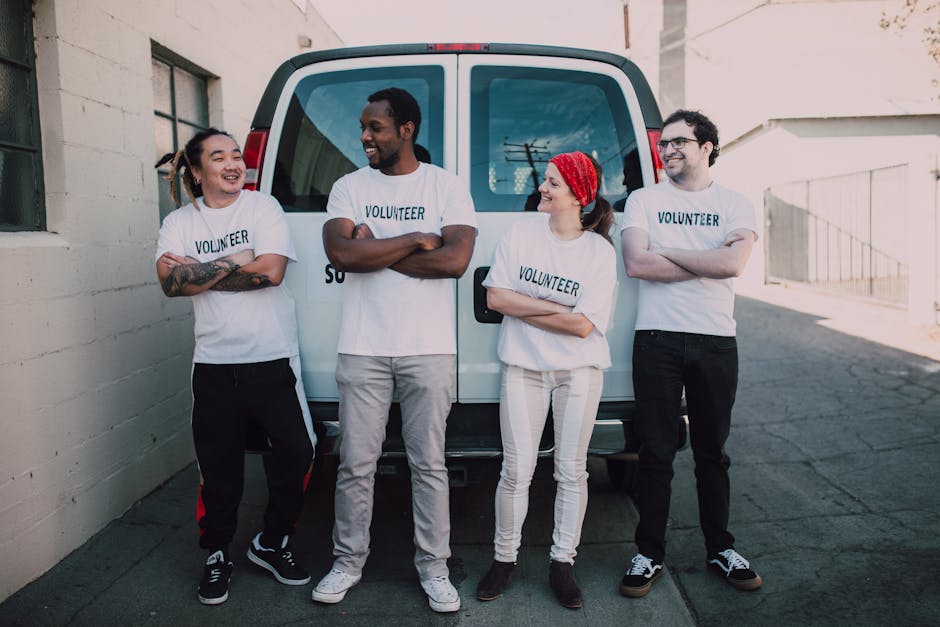
Are you a nonprofit organization looking to improve your donor management? Look no further than CRM software! CRM, or Customer Relationship Management, software is a powerful tool that can revolutionize the way you interact with your donors. In this article, we will explore the best CRM software options for nonprofit organizations and how they can enhance your donor management efforts.
One of the key benefits of using CRM software for donor management is the ability to centralize all donor information in one place. No more searching through spreadsheets or sticky notes to find important donor details! With CRM software, you can easily store and access donor contact information, donation history, and communication records. This centralized database allows you to have a comprehensive view of each donor, enabling you to personalize your interactions and build stronger relationships.
Another advantage of CRM software is its ability to automate repetitive tasks. Say goodbye to manually sending thank-you emails or reminders for upcoming events! With CRM software, you can set up automated workflows that handle these tasks for you. This not only saves you time and effort but also ensures that no donor is overlooked or forgotten. You can even schedule personalized emails to be sent on a donor’s birthday or anniversary of their first donation, making them feel valued and appreciated.
CRM software also offers robust reporting and analytics capabilities. You can easily generate reports on donor demographics, donation trends, and campaign performance. These insights can help you make data-driven decisions and optimize your fundraising strategies. For example, if you notice that a particular campaign is not generating the desired results, you can adjust your approach or allocate resources to more successful initiatives. By leveraging the power of data, you can maximize your fundraising efforts and achieve greater impact.
When it comes to choosing the best CRM software for your nonprofit organization, there are several options to consider. One popular choice is Salesforce Nonprofit Cloud. This comprehensive CRM solution offers a wide range of features specifically designed for nonprofits. From donor management to volunteer tracking, Salesforce Nonprofit Cloud has it all. It also integrates seamlessly with other Salesforce products, such as Marketing Cloud and Pardot, allowing you to create cohesive and personalized donor experiences.
Another top contender is Bloomerang. Known for its user-friendly interface and intuitive design, Bloomerang is a favorite among nonprofit professionals. It offers robust donor management features, including donor retention tracking and engagement scoring. Bloomerang also provides actionable insights through its built-in reporting and analytics tools, helping you make informed decisions to drive your fundraising efforts forward.
If you’re looking for a more budget-friendly option, consider DonorPerfect. DonorPerfect offers a range of affordable plans tailored to the needs of nonprofit organizations. It provides comprehensive donor management features, including online donation processing and event management. DonorPerfect also offers integrations with popular email marketing platforms, allowing you to streamline your communication efforts.
In conclusion, CRM software is a game-changer for nonprofit organizations looking to improve their donor management. With its ability to centralize donor information, automate tasks, and provide valuable insights, CRM software can help you build stronger relationships with your donors and maximize your fundraising efforts. Whether you choose Salesforce Nonprofit Cloud, Bloomerang, or DonorPerfect, implementing CRM software will undoubtedly take your nonprofit to the next level. So why wait? Start exploring your options today and unlock the full potential of CRM software for your organization.
Best Practices for Implementing CRM Software in Nonprofit Organizations
Are you a nonprofit organization looking to streamline your operations and improve your donor management? Look no further! In this article, we will explore the best practices for implementing CRM software in nonprofit organizations. CRM, or Customer Relationship Management, software can be a game-changer for nonprofits, helping them to better engage with donors, manage volunteers, and track their impact.
First and foremost, it is crucial to involve all stakeholders in the decision-making process. This includes staff members from different departments, board members, and even volunteers. By involving everyone, you ensure that the CRM software meets the needs of the entire organization. Additionally, this collaborative approach fosters a sense of ownership and buy-in from all parties involved.
Once you have selected the CRM software that best suits your organization’s needs, it is time to plan the implementation process. Start by setting clear goals and objectives for the software. What do you hope to achieve with its implementation? Whether it’s improving donor retention, increasing volunteer engagement, or enhancing communication, having specific goals will guide your implementation strategy.
Next, create a detailed implementation plan that outlines the steps and timeline for rolling out the CRM software. This plan should include tasks such as data migration, staff training, and system customization. By breaking down the implementation process into manageable steps, you can ensure a smooth transition and minimize disruptions to your organization’s daily operations.
One of the most critical aspects of implementing CRM software is data migration. Nonprofits often have vast amounts of donor and volunteer data stored in various systems or spreadsheets. It is essential to clean and consolidate this data before migrating it to the new CRM software. This process may involve deduplication, standardization, and data cleansing to ensure accurate and reliable information.
To ensure a successful implementation, invest time and resources in staff training. Your staff members need to be comfortable and proficient in using the CRM software to maximize its benefits. Consider providing comprehensive training sessions, both in-person and online, and offer ongoing support to address any questions or concerns that may arise.
Customization is another crucial aspect of implementing CRM software. Nonprofits have unique needs and workflows, and the CRM software should be tailored to accommodate these requirements. Work closely with the software provider to customize the system to match your organization’s branding, data fields, and reporting needs. This customization will make the software feel like a natural extension of your organization’s operations.
Once the CRM software is up and running, it is essential to regularly evaluate its effectiveness. Monitor key performance indicators (KPIs) such as donor retention rates, volunteer engagement levels, and fundraising success. By analyzing these metrics, you can identify areas for improvement and make necessary adjustments to optimize the software’s impact.
In conclusion, implementing CRM software in nonprofit organizations requires careful planning, collaboration, and customization. By involving all stakeholders, setting clear goals, and creating a detailed implementation plan, you can ensure a smooth transition. Remember to invest in staff training, customize the software to match your organization’s needs, and regularly evaluate its effectiveness. With the right CRM software and best practices in place, your nonprofit organization can enhance its donor management, improve volunteer engagement, and make a more significant impact in the community.
Case Studies: Successful Implementation of CRM Software in Nonprofits
Case Studies: Successful Implementation of CRM Software in Nonprofits
In the world of nonprofit organizations, managing relationships with donors, volunteers, and other stakeholders is crucial for success. With limited resources and a constant need to engage supporters, nonprofits are turning to CRM software to streamline their operations and improve their overall effectiveness. In this section, we will explore some case studies of nonprofits that have successfully implemented CRM software and reaped the benefits.
One such organization is the XYZ Foundation, a nonprofit dedicated to providing educational opportunities for underprivileged children. Before implementing CRM software, the foundation struggled to keep track of donor information, resulting in missed opportunities for engagement and potential funding. With the help of a CRM system, the XYZ Foundation was able to centralize their donor data, allowing them to easily segment their supporters and tailor their communication strategies accordingly. As a result, they saw a significant increase in donor retention and a boost in fundraising efforts.
Another inspiring example is the ABC Association, a nonprofit focused on environmental conservation. Prior to adopting CRM software, the association faced challenges in managing their volunteer base, resulting in a lack of coordination and inefficiencies. By implementing a CRM system, the ABC Association was able to streamline their volunteer management process, from recruitment to scheduling and tracking hours. This not only improved the overall volunteer experience but also allowed the association to better allocate resources and maximize their impact.
The success stories don’t end there. The DEF Foundation, a nonprofit dedicated to providing healthcare services to underserved communities, also experienced significant improvements after implementing CRM software. Before adopting a CRM system, the foundation struggled to effectively communicate with their beneficiaries, resulting in missed appointments and a lack of follow-up care. With the help of CRM software, the DEF Foundation was able to automate appointment reminders and track patient interactions, leading to improved patient engagement and better health outcomes.
These case studies highlight the transformative power of CRM software in the nonprofit sector. By centralizing data, streamlining processes, and improving communication, nonprofits can enhance their overall effectiveness and make a greater impact on their respective causes. However, it is important to note that successful implementation of CRM software requires careful planning and consideration.
First and foremost, nonprofits must clearly define their goals and objectives before selecting a CRM system. Each organization has unique needs and requirements, so it is crucial to choose a software solution that aligns with their specific mission and operations. Additionally, nonprofits should involve key stakeholders in the decision-making process to ensure buy-in and support throughout the implementation.
Furthermore, training and ongoing support are essential for successful CRM implementation. Nonprofits should invest in comprehensive training programs to ensure that staff members are equipped with the necessary skills to effectively utilize the CRM software. Additionally, regular check-ins and support from the software provider can help address any issues or challenges that may arise during the implementation process.
In conclusion, CRM software has proven to be a game-changer for nonprofit organizations. Through case studies of successful implementation, we have seen how CRM systems can improve donor management, volunteer coordination, and patient engagement. However, it is important for nonprofits to approach CRM implementation with careful planning, involving key stakeholders and providing adequate training and support. With the right CRM software and a strategic approach, nonprofits can enhance their operations, strengthen relationships, and ultimately make a greater impact on their respective causes.
Tips for Choosing the Right CRM Software for Your Nonprofit Organization
Are you a nonprofit organization looking for the best CRM software to help streamline your operations and improve your donor management? With so many options available in the market, it can be overwhelming to choose the right one for your specific needs. In this article, we will provide you with some tips to help you make an informed decision and find the best CRM software for your nonprofit organization.
First and foremost, it is important to consider your organization’s specific requirements and goals. Every nonprofit is unique, and what works for one may not necessarily work for another. Take the time to assess your organization’s needs and identify the key features and functionalities that are essential for your CRM software. This will help you narrow down your options and focus on the software that aligns with your specific requirements.
Another important factor to consider is the scalability of the CRM software. As a nonprofit organization, you may experience growth and expansion in the future. Therefore, it is crucial to choose a CRM software that can accommodate your organization’s growth and adapt to your changing needs. Look for a software that offers flexible pricing plans and allows you to easily upgrade or downgrade as needed.
Integration capabilities are also a key consideration when choosing CRM software for your nonprofit organization. You may already be using other software or tools to manage your operations, such as accounting software or email marketing platforms. It is important to choose a CRM software that seamlessly integrates with these existing systems to avoid any disruptions in your workflow. Look for software that offers integrations with popular tools and platforms, or consider custom integrations if necessary.
Usability and user-friendliness are crucial factors to consider when choosing CRM software. Your staff members will be using the software on a daily basis, so it is important to choose a system that is intuitive and easy to navigate. Look for software that offers a clean and user-friendly interface, with clear instructions and helpful support resources. Consider conducting a trial or demo of the software to get a feel for its usability before making a final decision.
Security and data protection should also be top priorities when choosing CRM software for your nonprofit organization. As a nonprofit, you handle sensitive donor information and it is your responsibility to ensure that this data is protected. Look for software that offers robust security measures, such as encryption and regular data backups. Additionally, consider whether the software is compliant with relevant data protection regulations, such as GDPR.
Lastly, consider the level of customer support and training offered by the CRM software provider. It is important to choose a provider that offers responsive and helpful customer support, as well as comprehensive training resources to ensure that your staff members can effectively use the software. Look for providers that offer ongoing support and training options, such as webinars or tutorials, to help your organization get the most out of the CRM software.
In conclusion, choosing the right CRM software for your nonprofit organization is a crucial decision that can greatly impact your operations and donor management. By considering your organization’s specific requirements, scalability, integration capabilities, usability, security, and customer support, you can make an informed decision and find the best CRM software that will help your nonprofit thrive. So take the time to research and evaluate your options, and soon you’ll be on your way to finding the perfect CRM software for your nonprofit organization.
Conclusion
In conclusion, the best CRM software for nonprofit organizations is one that offers robust features specifically designed to meet the unique needs of the nonprofit sector. It should provide efficient donor management, fundraising tools, volunteer management, and communication capabilities. Additionally, it should be user-friendly, customizable, and affordable to ensure optimal functionality and effectiveness for nonprofit organizations.