The future of CRM software is being shaped by the integration of artificial intelligence (AI) and automation. These technologies are revolutionizing the way businesses manage customer relationships, enabling them to deliver personalized experiences, streamline processes, and drive growth. With AI-powered algorithms and automation capabilities, CRM software is becoming more intelligent, efficient, and effective in helping businesses understand and engage with their customers. In this article, we will explore the key trends and advancements in AI and automation that are driving the future of CRM software.
The Impact of AI on CRM Software
The future of CRM software is rapidly evolving, thanks to the integration of artificial intelligence (AI) and automation. These technological advancements are revolutionizing the way businesses manage their customer relationships, providing them with valuable insights and streamlining their processes. In this article, we will explore the impact of AI on CRM software and how it is shaping the future of customer relationship management.
AI has the potential to transform CRM software by enhancing its capabilities and making it more intelligent. With AI, CRM systems can analyze vast amounts of customer data, identify patterns, and make predictions. This enables businesses to gain a deeper understanding of their customers’ needs and preferences, allowing them to tailor their products and services accordingly.
One of the key benefits of AI in CRM software is its ability to automate repetitive tasks. By automating routine processes such as data entry and lead qualification, businesses can save time and resources, allowing their employees to focus on more strategic and value-added activities. This not only increases productivity but also improves the overall customer experience.
Furthermore, AI-powered chatbots are becoming increasingly popular in CRM software. These virtual assistants can handle customer inquiries and provide real-time support, 24/7. By leveraging natural language processing and machine learning algorithms, chatbots can understand and respond to customer queries accurately and efficiently. This not only improves customer satisfaction but also reduces the workload on customer service teams.
Another significant impact of AI on CRM software is its ability to personalize customer interactions. By analyzing customer data, AI algorithms can identify individual preferences and behaviors, enabling businesses to deliver personalized recommendations and offers. This level of personalization enhances customer engagement and loyalty, ultimately driving sales and revenue.
Moreover, AI can help businesses identify potential sales opportunities and optimize their sales processes. By analyzing customer data and historical sales patterns, AI algorithms can identify leads with the highest conversion potential, enabling sales teams to prioritize their efforts effectively. This not only increases sales efficiency but also improves the accuracy of sales forecasts.
However, it is important to note that while AI has the potential to revolutionize CRM software, it is not a substitute for human interaction. The human touch is still crucial in building and maintaining strong customer relationships. AI should be seen as a tool to augment human capabilities, rather than replace them.
In conclusion, the integration of AI and automation is transforming the future of CRM software. AI-powered CRM systems can analyze vast amounts of customer data, automate repetitive tasks, personalize customer interactions, and optimize sales processes. These advancements not only improve efficiency and productivity but also enhance the overall customer experience. However, it is important to strike a balance between AI and human interaction to ensure the success of CRM strategies. The future of CRM software is undoubtedly exciting, and businesses that embrace these technological advancements will have a competitive edge in the ever-evolving marketplace.
Automation in CRM: Streamlining Customer Interactions
The future of CRM software is rapidly evolving, with advancements in artificial intelligence (AI) and automation taking center stage. These technologies are revolutionizing the way businesses interact with their customers, streamlining processes, and enhancing overall customer experience. In this article, we will explore the role of automation in CRM and how it is transforming customer interactions.
Automation in CRM is all about simplifying and optimizing customer interactions. It involves using AI-powered tools and algorithms to automate repetitive tasks, such as data entry, lead nurturing, and customer support. By automating these processes, businesses can save time and resources, allowing their employees to focus on more strategic and value-added activities.
One of the key benefits of automation in CRM is its ability to streamline customer interactions. With AI-powered chatbots, businesses can provide instant and personalized responses to customer queries, 24/7. These chatbots can understand natural language and context, ensuring a seamless and efficient customer experience. Whether it’s answering frequently asked questions or providing product recommendations, chatbots can handle a wide range of customer interactions, freeing up human agents to handle more complex issues.
Moreover, automation in CRM enables businesses to gather and analyze vast amounts of customer data in real-time. AI algorithms can process this data to identify patterns, trends, and customer preferences. This valuable insight allows businesses to personalize their interactions with customers, offering tailored recommendations and targeted marketing campaigns. By understanding their customers better, businesses can build stronger relationships and increase customer loyalty.
Automation also plays a crucial role in lead nurturing. With AI-powered lead scoring, businesses can prioritize and qualify leads based on their behavior, demographics, and engagement level. This ensures that sales teams focus their efforts on the most promising leads, increasing conversion rates and revenue. Additionally, automation can trigger personalized follow-up emails or notifications, ensuring that leads are nurtured at every stage of the sales funnel.
Another area where automation is transforming customer interactions is in customer support. AI-powered virtual assistants can handle a wide range of customer inquiries, from tracking orders to resolving technical issues. These virtual assistants can access customer data and history, providing personalized and accurate responses. By automating customer support, businesses can reduce response times, improve customer satisfaction, and lower support costs.
However, it’s important to note that automation in CRM is not meant to replace human interactions. Instead, it complements and enhances them. While AI-powered tools can handle routine tasks, human agents bring empathy, creativity, and problem-solving skills to customer interactions. The future of CRM software lies in finding the right balance between automation and human touch.
In conclusion, automation in CRM is revolutionizing customer interactions. By leveraging AI and automation, businesses can streamline processes, personalize interactions, and enhance overall customer experience. From AI-powered chatbots to lead nurturing and customer support, automation is transforming the way businesses engage with their customers. However, it’s crucial to strike the right balance between automation and human touch to ensure a seamless and personalized customer journey. The future of CRM software is undoubtedly exciting, and businesses that embrace these advancements will gain a competitive edge in the market.
Enhancing Customer Experience with AI in CRM
The Future of CRM Software: AI and Automation
Enhancing Customer Experience with AI in CRM
In today’s fast-paced digital world, customer relationship management (CRM) software has become an essential tool for businesses of all sizes. It helps companies manage their interactions with customers, streamline processes, and ultimately improve customer satisfaction. However, as technology continues to advance, the future of CRM software lies in the integration of artificial intelligence (AI) and automation.
AI has already made significant strides in various industries, and CRM is no exception. By harnessing the power of AI, businesses can enhance their customer experience in ways never before possible. One of the key benefits of AI in CRM is its ability to analyze vast amounts of data quickly and accurately. This enables businesses to gain valuable insights into customer behavior, preferences, and needs.
Imagine a scenario where a customer contacts a company’s customer service department with a problem. With AI-powered CRM software, the system can analyze the customer’s previous interactions, purchase history, and even sentiment analysis from social media to provide a personalized and efficient response. This not only saves time for both the customer and the company but also creates a more positive and tailored experience.
Furthermore, AI can also assist in automating routine tasks, freeing up valuable time for employees to focus on more complex and strategic activities. For example, AI-powered chatbots can handle basic customer inquiries, such as order status or product information, without the need for human intervention. This not only improves response times but also ensures consistency in customer service across different channels.
Another exciting application of AI in CRM is predictive analytics. By analyzing historical data, AI algorithms can identify patterns and trends, allowing businesses to anticipate customer needs and preferences. This enables companies to proactively offer personalized recommendations, promotions, or even anticipate potential issues before they arise. By doing so, businesses can foster stronger customer relationships and increase customer loyalty.
Moreover, AI can also play a crucial role in sales and marketing efforts. By analyzing customer data, AI algorithms can identify potential leads and target them with personalized marketing campaigns. This not only increases the chances of conversion but also helps businesses optimize their marketing spend by focusing on the most promising prospects.
However, it is important to note that while AI can greatly enhance CRM, it should not replace human interaction entirely. Customers still value the personal touch and human empathy that only a real person can provide. Therefore, businesses should strive to strike the right balance between AI automation and human interaction to deliver the best customer experience.
In conclusion, the future of CRM software lies in the integration of AI and automation. By leveraging AI’s ability to analyze data, automate routine tasks, and predict customer behavior, businesses can enhance their customer experience and drive growth. However, it is crucial to remember that AI should complement human interaction, not replace it. By finding the right balance, businesses can create a customer-centric approach that combines the best of both worlds. So, embrace the power of AI in CRM and get ready to revolutionize your customer experience.
Predictive Analytics: Revolutionizing CRM Software
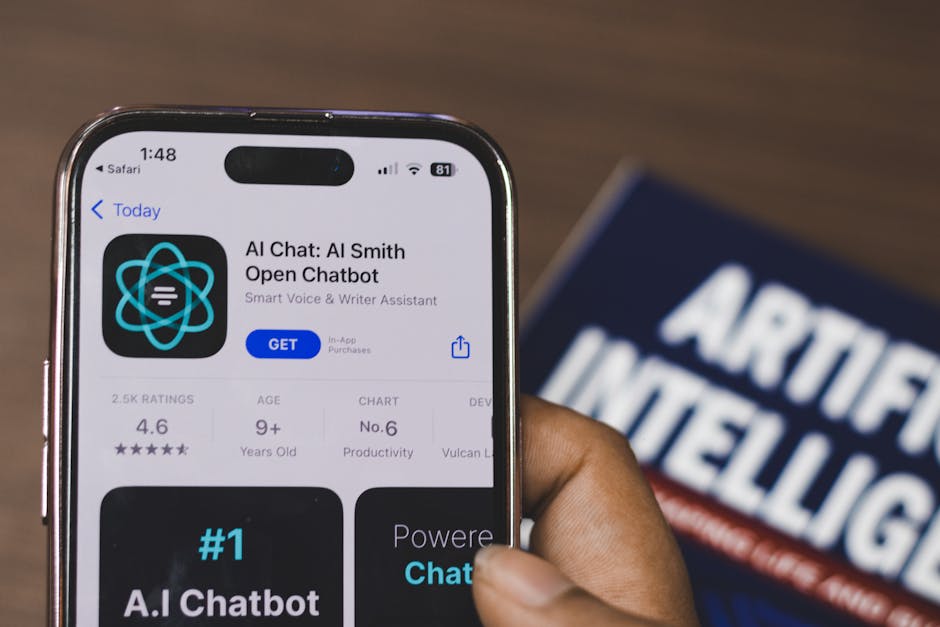
The future of CRM software is rapidly evolving, thanks to the integration of artificial intelligence (AI) and automation. One area where this transformation is particularly evident is in the realm of predictive analytics. Predictive analytics is revolutionizing CRM software, enabling businesses to make more informed decisions and provide personalized experiences to their customers.
Gone are the days when businesses had to rely on historical data to make predictions about future customer behavior. With the advent of AI and automation, CRM software can now analyze vast amounts of data in real-time, allowing businesses to anticipate customer needs and preferences before they even arise.
Imagine a scenario where a customer visits an online store and browses through various products. In the past, businesses would have had to rely on manual analysis to understand the customer’s preferences and make recommendations. However, with predictive analytics, CRM software can now analyze the customer’s browsing history, purchase patterns, and even social media activity to predict what products they are likely to be interested in. This allows businesses to provide personalized recommendations, increasing the chances of a sale and enhancing the overall customer experience.
Predictive analytics also enables businesses to identify potential churners – customers who are likely to stop using their products or services. By analyzing various data points such as customer complaints, usage patterns, and engagement levels, CRM software can flag customers who are at risk of churning. Armed with this information, businesses can take proactive measures to retain these customers, such as offering personalized discounts or reaching out with targeted marketing campaigns.
Furthermore, predictive analytics can help businesses optimize their marketing efforts. By analyzing customer data, CRM software can identify the most effective channels and messaging for different customer segments. This allows businesses to allocate their marketing budget more efficiently and tailor their campaigns to resonate with specific audiences. For example, if the data shows that a particular customer segment responds well to email marketing, businesses can focus their efforts on crafting compelling email campaigns for that segment.
The integration of AI and automation into CRM software also brings about significant time and cost savings. In the past, businesses had to rely on manual data entry and analysis, which was not only time-consuming but also prone to human error. With AI and automation, CRM software can automatically collect and analyze data, freeing up valuable time for employees to focus on more strategic tasks. This not only increases productivity but also reduces the risk of errors, ensuring that businesses have accurate and reliable data to base their decisions on.
In conclusion, predictive analytics is revolutionizing CRM software, enabling businesses to make more informed decisions and provide personalized experiences to their customers. With the integration of AI and automation, CRM software can analyze vast amounts of data in real-time, allowing businesses to anticipate customer needs and preferences. This not only enhances the overall customer experience but also enables businesses to optimize their marketing efforts and identify potential churners. Furthermore, the integration of AI and automation brings about significant time and cost savings, freeing up valuable resources for more strategic tasks. As the future of CRM software continues to evolve, the possibilities for AI and automation are endless, promising even more exciting advancements in the years to come.
AI-powered Chatbots: Transforming Customer Support in CRM
The Future of CRM Software: AI and Automation
AI-powered Chatbots: Transforming Customer Support in CRM
In today’s fast-paced digital world, customer support has become a critical aspect of any business. Customers expect quick and efficient assistance, and companies are constantly looking for ways to improve their customer service. This is where AI-powered chatbots come into play, revolutionizing the way customer support is handled in CRM software.
Gone are the days of long wait times and frustrating phone calls. With AI-powered chatbots, businesses can provide instant support to their customers, 24/7. These chatbots are designed to understand and respond to customer queries in a natural and conversational manner. They can handle a wide range of customer issues, from simple inquiries to complex problem-solving.
One of the key advantages of AI-powered chatbots is their ability to learn and improve over time. Through machine learning algorithms, these chatbots can analyze customer interactions and adapt their responses accordingly. This means that the more customers interact with the chatbot, the better it becomes at understanding their needs and providing accurate solutions.
Moreover, AI-powered chatbots can handle multiple customer conversations simultaneously, ensuring that no customer is left waiting for assistance. This not only improves customer satisfaction but also allows businesses to handle a larger volume of customer inquiries without the need for additional support staff.
Another significant benefit of AI-powered chatbots is their ability to integrate seamlessly with other CRM software features. They can access customer data, purchase history, and previous interactions, providing personalized and context-aware support. This level of personalization enhances the customer experience and builds stronger relationships between businesses and their customers.
Furthermore, AI-powered chatbots can automate repetitive tasks, freeing up human agents to focus on more complex and value-added activities. For instance, chatbots can handle order tracking, appointment scheduling, and basic troubleshooting, allowing human agents to handle more specialized customer requests. This not only improves efficiency but also reduces costs for businesses.
However, it is important to note that AI-powered chatbots are not meant to replace human agents entirely. They are designed to augment human capabilities and provide support in areas where they excel. Human agents bring empathy, emotional intelligence, and critical thinking skills to customer interactions, which are essential for resolving complex issues and building strong customer relationships.
As AI technology continues to advance, the future of CRM software looks promising. AI-powered chatbots will become even more intelligent and capable, providing even better customer support. They will be able to understand customer emotions, detect sarcasm, and respond with appropriate empathy. This level of sophistication will further enhance the customer experience and strengthen customer loyalty.
In conclusion, AI-powered chatbots are transforming customer support in CRM software. They provide instant and personalized assistance, learn from customer interactions, and automate repetitive tasks. By integrating seamlessly with other CRM features, they enhance the overall customer experience. While they cannot replace human agents entirely, they augment their capabilities and allow them to focus on more complex issues. As AI technology continues to evolve, the future of CRM software looks bright, with AI-powered chatbots leading the way in revolutionizing customer support.
Personalization and Customization in CRM with AI
The Future of CRM Software: AI and Automation
Personalization and Customization in CRM with AI
In today’s fast-paced and ever-evolving business landscape, customer relationship management (CRM) software has become an essential tool for companies of all sizes. CRM software helps businesses streamline their sales, marketing, and customer service processes, allowing them to better understand and engage with their customers. As technology continues to advance, the future of CRM software lies in the integration of artificial intelligence (AI) and automation, particularly in the realm of personalization and customization.
One of the key challenges that businesses face is how to effectively personalize their interactions with customers. Traditional CRM software provides a wealth of data about customers, such as their purchase history, preferences, and demographics. However, manually analyzing this data and tailoring interactions accordingly can be time-consuming and prone to human error. This is where AI comes in.
By leveraging AI algorithms, CRM software can analyze vast amounts of customer data in real-time, identifying patterns and trends that humans might miss. This enables businesses to deliver highly personalized experiences to their customers, whether it’s through targeted marketing campaigns, tailored product recommendations, or customized customer service interactions. AI-powered CRM software can even predict customer behavior and anticipate their needs, allowing businesses to proactively address any issues or concerns.
Furthermore, AI can automate many routine tasks that would otherwise require human intervention. For example, AI-powered chatbots can handle customer inquiries and provide instant responses, freeing up human agents to focus on more complex issues. This not only improves efficiency but also enhances the customer experience by providing quick and accurate support.
Another area where AI and automation can revolutionize CRM is in the realm of customization. Businesses are increasingly recognizing the importance of offering personalized products and services to their customers. However, developing and delivering customized offerings can be a complex and resource-intensive process. AI can help streamline this process by automating the customization workflow.
For instance, AI algorithms can analyze customer preferences and generate personalized product recommendations. This not only saves time but also ensures that customers receive offerings that align with their individual needs and preferences. AI can also automate the production and delivery of customized products, reducing costs and improving turnaround times.
Moreover, AI-powered CRM software can continuously learn and adapt based on customer interactions, allowing businesses to refine and improve their customization strategies over time. This iterative process ensures that businesses stay ahead of the competition and deliver truly personalized experiences to their customers.
In conclusion, the future of CRM software lies in the integration of AI and automation, particularly in the areas of personalization and customization. AI algorithms can analyze vast amounts of customer data in real-time, enabling businesses to deliver highly personalized experiences and anticipate customer needs. Automation can streamline routine tasks and automate the customization workflow, saving time and resources. By embracing AI and automation, businesses can enhance their CRM strategies and stay ahead in today’s competitive market. So, get ready for a future where CRM software becomes smarter, more intuitive, and more personalized than ever before.
The Future of CRM Software: Integrating AI and Automation
The future of CRM software is an exciting one, as it promises to revolutionize the way businesses interact with their customers. With the integration of artificial intelligence (AI) and automation, CRM software will become even more powerful and efficient. This article will explore the potential of AI and automation in CRM software and how it can benefit businesses.
AI has already made significant advancements in various industries, and CRM software is no exception. By leveraging AI, businesses can gain valuable insights into customer behavior and preferences. AI-powered CRM software can analyze vast amounts of data and identify patterns and trends that humans may overlook. This allows businesses to tailor their marketing strategies and customer interactions to better meet the needs and expectations of their customers.
Automation is another game-changer in the world of CRM software. By automating repetitive tasks, businesses can save time and resources, allowing their employees to focus on more strategic and creative endeavors. Automation can streamline processes such as data entry, lead nurturing, and customer support, ensuring that nothing falls through the cracks. This not only improves efficiency but also enhances the overall customer experience.
One of the most significant benefits of integrating AI and automation into CRM software is the ability to provide personalized customer experiences at scale. AI-powered chatbots, for example, can engage with customers in real-time, answering their questions and providing assistance. These chatbots can learn from each interaction, continuously improving their responses and providing a more personalized experience for each customer.
AI and automation can also help businesses identify and prioritize leads. By analyzing customer data and behavior, CRM software can identify potential leads that are most likely to convert into customers. This allows businesses to focus their efforts on the most promising leads, increasing their chances of closing deals and driving revenue.
Furthermore, AI and automation can enhance sales forecasting and predictive analytics. By analyzing historical data and current market trends, CRM software can provide accurate sales forecasts, helping businesses make informed decisions and allocate resources effectively. This can lead to better sales performance and improved business outcomes.
Another area where AI and automation can make a significant impact is customer service. AI-powered CRM software can analyze customer inquiries and provide instant responses or route them to the appropriate department. This reduces response times and ensures that customers receive timely and accurate assistance. Additionally, AI can analyze customer sentiment and identify potential issues before they escalate, allowing businesses to proactively address customer concerns.
While the integration of AI and automation in CRM software offers numerous benefits, it is essential to strike a balance between automation and human touch. While automation can streamline processes and improve efficiency, it is crucial to maintain a personal connection with customers. Businesses should use AI and automation to augment human interactions, not replace them entirely.
In conclusion, the future of CRM software lies in the integration of AI and automation. By leveraging AI, businesses can gain valuable insights into customer behavior and preferences, while automation streamlines processes and enhances efficiency. The combination of AI and automation allows businesses to provide personalized customer experiences at scale, identify and prioritize leads, improve sales forecasting, and enhance customer service. However, it is crucial to strike a balance between automation and human touch to maintain a personal connection with customers. The future of CRM software is bright, and businesses that embrace AI and automation will have a competitive edge in the ever-evolving business landscape.
Conclusion
In conclusion, the future of CRM software is heavily influenced by AI and automation. These technologies have the potential to revolutionize customer relationship management by enhancing data analysis, streamlining processes, and improving customer experiences. With AI-powered chatbots, predictive analytics, and automated workflows, businesses can gain valuable insights, make data-driven decisions, and provide personalized interactions at scale. As AI and automation continue to advance, CRM software will become increasingly intelligent, efficient, and indispensable for businesses across industries.