CRM software for retail is a powerful tool that helps businesses enhance the customer shopping experience. It allows retailers to effectively manage and analyze customer data, enabling them to personalize interactions, improve customer service, and increase customer loyalty. By providing a comprehensive view of customer preferences, purchase history, and behavior patterns, CRM software enables retailers to tailor their marketing efforts, offer personalized recommendations, and provide a seamless shopping experience across various channels. With the ability to track and manage customer interactions, CRM software empowers retailers to build stronger relationships with their customers and ultimately drive sales and revenue growth.
Benefits of CRM Software for Retail Businesses
CRM Software for Retail: Enhancing the Customer Shopping Experience
In today’s competitive retail landscape, providing an exceptional customer shopping experience is crucial for businesses to thrive. One way to achieve this is by implementing CRM software. CRM, or Customer Relationship Management, software is a powerful tool that can revolutionize the way retailers interact with their customers. Let’s explore some of the benefits of CRM software for retail businesses.
First and foremost, CRM software allows retailers to gain a deeper understanding of their customers. By collecting and analyzing customer data, such as purchase history, preferences, and demographics, retailers can create detailed customer profiles. This valuable information enables businesses to tailor their marketing efforts and product offerings to meet the specific needs and desires of their customers. With CRM software, retailers can truly personalize the shopping experience, making customers feel valued and appreciated.
Furthermore, CRM software helps retailers improve customer service. With access to a centralized database of customer information, sales associates can quickly and easily retrieve relevant data during interactions with customers. This allows them to provide personalized recommendations, answer questions, and address concerns more effectively. By delivering exceptional customer service, retailers can build trust and loyalty, ultimately leading to increased customer retention and repeat business.
Another benefit of CRM software is its ability to streamline and automate various retail processes. From inventory management to order processing, CRM software can simplify and optimize routine tasks, freeing up time for retailers to focus on more strategic initiatives. By automating repetitive tasks, retailers can reduce human error and improve efficiency, resulting in cost savings and increased productivity.
Moreover, CRM software enables retailers to implement targeted marketing campaigns. By segmenting customers based on their preferences and purchase history, retailers can send personalized promotions and offers to specific customer groups. This targeted approach increases the likelihood of customers engaging with the marketing material and making a purchase. CRM software also allows retailers to track the effectiveness of their marketing campaigns, providing valuable insights for future marketing strategies.
In addition to improving customer service and marketing efforts, CRM software can also enhance collaboration within retail organizations. With a centralized database accessible to all employees, information can be easily shared and updated in real-time. This fosters better communication and collaboration among different departments, leading to a more cohesive and efficient operation. By breaking down silos and promoting teamwork, CRM software helps retailers deliver a seamless and consistent shopping experience across all touchpoints.
Lastly, CRM software provides retailers with valuable analytics and reporting capabilities. By analyzing customer data, retailers can gain insights into customer behavior, trends, and preferences. This information can be used to make data-driven decisions, such as adjusting pricing strategies, optimizing product assortments, and identifying new market opportunities. With CRM software, retailers can stay ahead of the competition and make informed business decisions that drive growth and profitability.
In conclusion, CRM software is a game-changer for retail businesses looking to enhance the customer shopping experience. From gaining a deeper understanding of customers to improving customer service, streamlining processes, implementing targeted marketing campaigns, fostering collaboration, and leveraging analytics, CRM software offers a wide range of benefits. By investing in CRM software, retailers can create a personalized and seamless shopping experience that keeps customers coming back for more.
How CRM Software Improves Customer Engagement in Retail
CRM Software for Retail: Enhancing the Customer Shopping Experience
In today’s competitive retail landscape, providing an exceptional customer shopping experience is crucial for businesses to thrive. One way retailers can achieve this is by utilizing Customer Relationship Management (CRM) software. CRM software is a powerful tool that helps businesses improve customer engagement and build lasting relationships. Let’s explore how CRM software enhances the customer shopping experience in retail.
First and foremost, CRM software allows retailers to gather and analyze valuable customer data. By capturing information such as purchase history, preferences, and demographics, retailers can gain insights into their customers’ needs and preferences. This data enables retailers to personalize the shopping experience, tailoring offers and recommendations to individual customers. For example, if a customer frequently purchases athletic shoes, a retailer can use CRM software to send targeted promotions for new arrivals in that category. This personalized approach makes customers feel valued and understood, ultimately enhancing their shopping experience.
Furthermore, CRM software enables retailers to provide seamless customer service across multiple channels. With the rise of e-commerce and social media, customers expect to interact with retailers through various platforms. CRM software consolidates customer interactions from different channels into a single database, allowing retailers to provide consistent and personalized service. For instance, if a customer reaches out to a retailer’s customer service team via email, the CRM software can provide the representative with a complete history of the customer’s previous interactions, enabling them to provide a more efficient and personalized response. This seamless customer service experience builds trust and loyalty, enhancing the overall shopping experience.
Another way CRM software improves customer engagement in retail is through targeted marketing campaigns. By leveraging customer data, retailers can create highly targeted marketing campaigns that resonate with their audience. CRM software allows retailers to segment their customer base based on various criteria, such as purchase history or demographics. This segmentation enables retailers to send tailored marketing messages to specific customer groups, increasing the likelihood of engagement and conversion. For example, a retailer can use CRM software to identify customers who have recently purchased a specific product and send them a follow-up email with related accessories or complementary items. This targeted approach not only increases sales but also enhances the customer’s perception of the retailer’s understanding of their needs.
Moreover, CRM software facilitates loyalty programs and customer retention strategies. By tracking customer behavior and preferences, retailers can identify loyal customers and reward them for their continued support. CRM software allows retailers to create loyalty programs that offer personalized rewards and incentives based on individual customer preferences. For example, a retailer can use CRM software to identify customers who frequently purchase a particular brand and offer them exclusive discounts or early access to new releases. This personalized loyalty program strengthens the bond between the retailer and the customer, increasing customer retention and fostering a positive shopping experience.
In conclusion, CRM software plays a vital role in enhancing the customer shopping experience in retail. By capturing and analyzing customer data, providing seamless customer service, implementing targeted marketing campaigns, and facilitating loyalty programs, CRM software enables retailers to build lasting relationships with their customers. In today’s competitive retail landscape, investing in CRM software is essential for businesses that want to stay ahead and provide an exceptional shopping experience that keeps customers coming back for more.
Enhancing Customer Loyalty with CRM Software in Retail
CRM Software for Retail: Enhancing the Customer Shopping Experience
In today’s competitive retail landscape, providing an exceptional shopping experience is crucial for businesses to thrive. One way retailers can achieve this is by leveraging CRM software to enhance customer loyalty. CRM, or Customer Relationship Management, software is a powerful tool that allows retailers to better understand their customers, personalize their shopping experiences, and build long-lasting relationships.
One of the key benefits of CRM software in retail is its ability to gather and analyze customer data. By capturing information such as purchase history, preferences, and demographics, retailers can gain valuable insights into their customers’ behaviors and preferences. This data can then be used to create targeted marketing campaigns, personalized recommendations, and tailored promotions. For example, if a customer frequently purchases athletic shoes, a retailer can use CRM software to send them exclusive offers on new arrivals or related products. This level of personalization not only enhances the customer’s shopping experience but also increases the likelihood of repeat purchases and brand loyalty.
CRM software also enables retailers to streamline their customer service processes. With a centralized database of customer information, retail staff can quickly access relevant data and provide personalized assistance. For instance, if a customer calls to inquire about the status of their order, a retail associate can easily retrieve the information from the CRM system and provide an accurate update. This level of efficiency and responsiveness not only saves time for both the customer and the retailer but also leaves a positive impression on the customer, fostering loyalty and repeat business.
Furthermore, CRM software can help retailers identify and address customer pain points. By tracking customer interactions and feedback, retailers can identify common issues or concerns and take proactive measures to resolve them. For example, if multiple customers complain about long wait times at the checkout counter, a retailer can use CRM software to analyze the data and make informed decisions to improve the checkout process, such as adding more cashiers or implementing self-checkout options. By addressing these pain points, retailers can enhance the overall shopping experience and increase customer satisfaction.
Another way CRM software enhances the customer shopping experience is through its ability to facilitate seamless omnichannel experiences. In today’s digital age, customers expect a consistent experience across multiple channels, whether it’s in-store, online, or through mobile apps. CRM software allows retailers to integrate data from various touchpoints, enabling them to provide a unified and personalized experience. For example, if a customer adds items to their online shopping cart but abandons the purchase, CRM software can trigger automated emails with personalized offers to encourage them to complete the transaction. This level of integration and personalization creates a seamless shopping experience, making customers feel valued and appreciated.
In conclusion, CRM software is a valuable tool for retailers looking to enhance the customer shopping experience and build long-lasting relationships. By leveraging customer data, streamlining customer service processes, addressing pain points, and facilitating omnichannel experiences, retailers can create personalized and seamless interactions that foster loyalty and drive business growth. In today’s competitive retail landscape, investing in CRM software is not just a choice but a necessity for retailers who want to stay ahead of the curve and provide exceptional customer experiences.
Personalization and Customization with CRM Software in Retail
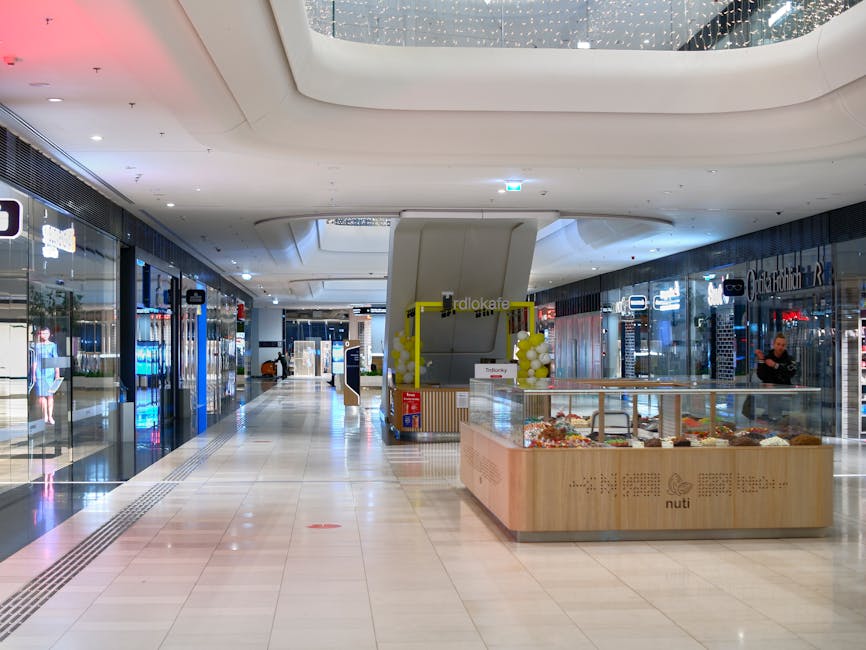
CRM Software for Retail: Enhancing the Customer Shopping Experience
In today’s competitive retail landscape, providing a personalized and customized shopping experience is crucial for businesses to thrive. Customers expect retailers to understand their preferences, anticipate their needs, and offer tailored recommendations. This is where CRM software comes into play, revolutionizing the way retailers interact with their customers.
CRM software, short for Customer Relationship Management software, is a powerful tool that enables retailers to collect, analyze, and utilize customer data effectively. By harnessing the power of CRM software, retailers can create personalized experiences that leave a lasting impression on their customers.
One of the key benefits of CRM software in retail is its ability to gather and consolidate customer data from various touchpoints. From online purchases to in-store interactions, CRM software captures every customer interaction, allowing retailers to build a comprehensive profile of each individual. This data includes purchase history, browsing behavior, preferences, and even social media activity. With this wealth of information at their fingertips, retailers can gain valuable insights into their customers’ preferences and shopping habits.
Armed with this knowledge, retailers can then personalize the shopping experience for each customer. CRM software enables retailers to segment their customer base and target specific groups with tailored marketing campaigns. For example, a clothing retailer can send personalized emails to customers who have previously purchased dresses, showcasing new arrivals that align with their style preferences. By delivering relevant content directly to the customer’s inbox, retailers can increase engagement and drive sales.
Furthermore, CRM software allows retailers to offer customized recommendations based on individual customer preferences. By analyzing past purchases and browsing behavior, retailers can suggest products that are likely to resonate with each customer. This not only enhances the shopping experience but also increases the likelihood of repeat purchases. For instance, an online bookstore can recommend books in a similar genre to those previously purchased by a customer, making their shopping journey more enjoyable and convenient.
In addition to personalization, CRM software also enables retailers to provide exceptional customer service. By having access to a customer’s purchase history and preferences, retail associates can offer personalized assistance and recommendations in-store. This level of personalized service not only enhances the customer’s shopping experience but also fosters loyalty and strengthens the retailer-customer relationship.
Moreover, CRM software allows retailers to track customer feedback and resolve issues promptly. By monitoring customer interactions and sentiment, retailers can identify areas for improvement and take proactive measures to address any concerns. This not only shows customers that their opinions are valued but also helps retailers to continuously enhance their products and services.
In conclusion, CRM software is a game-changer for retailers looking to enhance the customer shopping experience. By leveraging customer data, retailers can personalize and customize every interaction, from marketing campaigns to in-store experiences. This not only increases customer satisfaction but also drives sales and fosters long-term loyalty. In today’s competitive retail landscape, CRM software is no longer a luxury but a necessity for businesses that want to stay ahead of the curve. So, if you’re a retailer looking to take your customer experience to the next level, it’s time to embrace the power of CRM software.
Streamlining Sales and Marketing Processes with CRM Software in Retail
CRM Software for Retail: Enhancing the Customer Shopping Experience
In today’s competitive retail landscape, providing an exceptional customer shopping experience is crucial for success. With the rise of e-commerce and the increasing expectations of consumers, retailers need to find innovative ways to streamline their sales and marketing processes. This is where CRM software comes into play, offering a powerful tool to enhance the customer shopping experience.
CRM, or Customer Relationship Management, software is designed to help businesses manage their interactions with customers and potential customers. It provides a centralized platform to store and analyze customer data, allowing retailers to gain valuable insights into their customers’ preferences, behaviors, and purchase history. By harnessing this information, retailers can tailor their marketing efforts and sales strategies to meet the unique needs and desires of their customers.
One of the key benefits of CRM software in retail is its ability to streamline sales processes. With CRM, retailers can track customer interactions, manage leads, and automate sales tasks. This not only saves time and effort for sales teams but also ensures that no potential customer falls through the cracks. By having a comprehensive view of each customer’s journey, retailers can provide personalized recommendations and offers, increasing the chances of conversion.
Furthermore, CRM software enables retailers to optimize their marketing efforts. By analyzing customer data, retailers can identify trends and patterns, allowing them to target specific customer segments with tailored marketing campaigns. For example, if the data shows that a particular group of customers prefers a certain type of product, retailers can create targeted advertisements or promotions to capture their attention. This level of personalization not only enhances the customer shopping experience but also increases the effectiveness of marketing campaigns, leading to higher conversion rates.
Another way CRM software enhances the customer shopping experience is through improved customer service. With CRM, retailers can track customer inquiries, complaints, and feedback, ensuring that each customer receives a timely and satisfactory response. By having a centralized database of customer interactions, retailers can provide a seamless and personalized customer service experience, regardless of the channel through which the customer reaches out. This level of responsiveness and attentiveness builds trust and loyalty, encouraging customers to return for future purchases.
Moreover, CRM software can also help retailers optimize their inventory management. By analyzing customer purchase history and preferences, retailers can forecast demand more accurately, ensuring that they have the right products in stock at the right time. This not only prevents stockouts and overstocking but also allows retailers to offer a wider range of products to cater to their customers’ needs. By having the right products available, retailers can provide a more satisfying shopping experience, increasing customer satisfaction and loyalty.
In conclusion, CRM software is a powerful tool for retailers looking to enhance the customer shopping experience. By streamlining sales and marketing processes, optimizing inventory management, and improving customer service, CRM software enables retailers to provide a personalized and seamless shopping experience. In today’s competitive retail landscape, investing in CRM software is not just a choice but a necessity for retailers who want to stay ahead of the curve and meet the ever-increasing expectations of their customers.
Using CRM Software to Optimize Inventory Management in Retail
CRM Software for Retail: Enhancing the Customer Shopping Experience
In the fast-paced world of retail, staying ahead of the competition is crucial. One way to gain an edge is by utilizing customer relationship management (CRM) software. While CRM software is often associated with managing customer interactions and improving sales, it can also be a powerful tool for optimizing inventory management.
Inventory management is a critical aspect of running a successful retail business. It involves keeping track of stock levels, monitoring sales trends, and ensuring that the right products are available at the right time. This can be a complex and time-consuming task, especially for retailers with multiple locations or an extensive product range.
This is where CRM software comes in. By integrating CRM software with inventory management systems, retailers can streamline their operations and make more informed decisions. With real-time data on customer preferences and buying patterns, retailers can accurately forecast demand and adjust their inventory levels accordingly.
Imagine a scenario where a retailer notices a sudden surge in sales of a particular product. Without CRM software, they might struggle to identify the cause of this spike and risk running out of stock. However, with CRM software, they can quickly analyze customer data and determine that a popular influencer has recommended the product on social media. Armed with this information, the retailer can proactively increase their inventory levels to meet the anticipated demand.
Furthermore, CRM software can help retailers identify slow-moving or obsolete inventory. By analyzing customer purchase history and preferences, retailers can identify products that are no longer in demand and take appropriate action. This could involve offering discounts or promotions to clear out excess stock or making data-driven decisions to discontinue certain products altogether.
Another benefit of using CRM software for inventory management is the ability to personalize the shopping experience. By tracking customer preferences and purchase history, retailers can tailor their product offerings and marketing campaigns to individual customers. This not only enhances the customer shopping experience but also increases the likelihood of repeat purchases and brand loyalty.
For example, a CRM software can identify that a customer frequently purchases organic skincare products. Armed with this information, the retailer can send personalized recommendations and offers for new organic skincare products that align with the customer’s preferences. This level of personalization makes the customer feel valued and understood, ultimately leading to a more positive shopping experience.
In conclusion, CRM software is not just a tool for managing customer relationships and improving sales; it can also be a game-changer for inventory management in the retail industry. By leveraging real-time data and customer insights, retailers can optimize their inventory levels, identify slow-moving inventory, and personalize the shopping experience. In a competitive retail landscape, CRM software is a valuable asset that can help retailers stay ahead of the curve and enhance the overall customer shopping experience.
Case Studies: Successful Implementation of CRM Software in Retail
CRM Software for Retail: Enhancing the Customer Shopping Experience
In today’s competitive retail landscape, providing an exceptional customer shopping experience is crucial for success. One way retailers are achieving this is through the implementation of CRM software. By leveraging customer relationship management tools, retailers can gain valuable insights into their customers’ preferences, behaviors, and purchase history. This information allows them to tailor their offerings and interactions to meet individual customer needs, ultimately enhancing the overall shopping experience.
Several retailers have successfully implemented CRM software to improve their customer relationships and drive sales. Let’s take a closer look at some case studies that highlight the benefits of CRM software in the retail industry.
Case Study 1: XYZ Clothing Store
XYZ Clothing Store, a popular fashion retailer, recognized the need to better understand their customers and personalize their shopping experience. They implemented a CRM software solution that integrated with their point-of-sale system, online store, and social media platforms. This allowed them to collect data from various touchpoints and create a comprehensive customer profile.
With the CRM software in place, XYZ Clothing Store was able to segment their customer base and send targeted marketing campaigns based on customers’ preferences and purchase history. By tailoring their promotions and offers, they saw a significant increase in customer engagement and repeat purchases. Additionally, the CRM software provided real-time inventory management, ensuring that popular items were always in stock, further enhancing the customer shopping experience.
Case Study 2: ABC Electronics
ABC Electronics, a leading electronics retailer, faced the challenge of managing a large customer base and providing personalized support. They implemented a CRM software solution that allowed them to track customer interactions across multiple channels, including phone calls, emails, and social media messages.
With the CRM software, ABC Electronics was able to streamline their customer service processes. Customer inquiries were automatically routed to the appropriate department, ensuring a timely response. The software also provided a comprehensive view of each customer’s history, allowing representatives to provide personalized recommendations and solutions. As a result, ABC Electronics saw an increase in customer satisfaction and loyalty, leading to higher sales and repeat business.
Case Study 3: PQR Supermarket
PQR Supermarket, a regional grocery chain, wanted to improve their customer loyalty program and increase customer engagement. They implemented a CRM software solution that integrated with their loyalty program and point-of-sale system.
The CRM software allowed PQR Supermarket to track customer purchases and preferences, enabling them to offer personalized discounts and rewards. They also used the software to send targeted emails and push notifications to customers, informing them of special promotions and personalized offers. As a result, PQR Supermarket saw a significant increase in customer participation in their loyalty program and higher customer satisfaction.
In conclusion, CRM software has proven to be a valuable tool for retailers looking to enhance the customer shopping experience. By leveraging customer data and insights, retailers can tailor their offerings and interactions to meet individual customer needs. The case studies of XYZ Clothing Store, ABC Electronics, and PQR Supermarket demonstrate the positive impact of CRM software on customer relationships, sales, and loyalty. As the retail industry continues to evolve, implementing CRM software will become increasingly important for retailers looking to stay competitive and provide exceptional customer experiences.
Conclusion
In conclusion, CRM software for retail plays a crucial role in enhancing the customer shopping experience. It allows retailers to gather and analyze customer data, enabling personalized interactions and targeted marketing campaigns. By providing a seamless and personalized shopping experience, CRM software helps retailers build stronger customer relationships, increase customer satisfaction, and ultimately drive sales and revenue growth.