In the world of travel, the concept of ultra-luxury is evolving beyond mere opulence. Today’s discerning travelers seek immersive experiences that resonate deeply with their personal interests and values. This shift has given rise to ultra-luxury travel designers who specialize in crafting personalized journeys that blend exhilarating safaris with rich cultural immersions. From the vast plains of the Serengeti to the vibrant streets of Marrakech, these bespoke adventures offer travelers the chance to engage with local cultures while enjoying unparalleled comfort and service.
The Rise of Personalized Luxury Travel
As the demand for unique travel experiences grows, luxury travel designers are increasingly focused on tailoring journeys to fit the specific desires and expectations of their clients. Traditional travel packages, which often include generic itineraries, no longer suffice. Instead, travelers are looking for opportunities to connect with local communities, learn about diverse cultures, and participate in activities that reflect their personal interests. This evolution has paved the way for a new era in travel—one where every detail is curated to enhance the traveler’s experience.
Understanding the Client’s Vision
To create a truly personalized safari-to-cultural immersion, luxury travel designers begin by understanding their clients’ visions. They conduct in-depth consultations to uncover each traveler’s preferences, interests, and expectations. Whether it’s a passion for wildlife conservation, culinary exploration, or artistic endeavors, these designers take the time to comprehend what makes each journey special.
For example, a traveler interested in wildlife might request an intimate encounter with local conservation efforts, allowing them to participate in hands-on activities like tracking elephants in the wild or volunteering at a wildlife rehabilitation center. Meanwhile, someone with a keen interest in local cuisine may be offered private cooking classes with renowned chefs, showcasing the rich flavors of the region.
Curating Unique Experiences
Once the travel designer has a clear understanding of their client’s desires, they meticulously curate unique experiences that align with those interests. This process often involves collaborations with local experts and cultural ambassadors who provide authentic insights into their communities.
For instance, in Tanzania, a luxury safari experience might be complemented by visits to Maasai villages, where travelers can learn about traditional customs and participate in cultural ceremonies. Similarly, in South Africa, a luxury travel designer might arrange a vineyard tour followed by an exclusive wine tasting with a local winemaker, allowing travelers to savor the region’s renowned wines while gaining an appreciation for its agricultural heritage.
Ensuring Comfort and Exclusivity
Ultra-luxury travel is not solely about the experiences; it’s also about the comfort and exclusivity that come with them. Luxury travel designers prioritize high-end accommodations, ensuring that every lodging option is carefully selected to enhance the overall experience. Whether it’s a private tented camp in the Serengeti or a boutique hotel in the heart of a bustling city, these accommodations are chosen for their unique characteristics and exceptional service.
In addition to exquisite lodging, travel designers often provide exclusive access to experiences that are unavailable to the average tourist. This might include private tours of renowned museums, after-hours visits to historical sites, or access to events like local festivals and performances. By offering these exclusive opportunities, luxury travel designers ensure that their clients feel like insiders, gaining insights and experiences that go beyond the ordinary.
Incorporating Sustainability and Responsible Travel
As the world becomes increasingly aware of the importance of sustainability, luxury travel designers are also incorporating responsible travel practices into their offerings. They work with local communities to create experiences that benefit both travelers and residents, ensuring that tourism contributes positively to the regions visited.
For instance, a safari might include visits to community-based tourism initiatives that support local artisans or conservation projects that protect endangered wildlife. By integrating these sustainable practices, luxury travel designers not only enhance their clients’ experiences but also foster a sense of responsibility toward the destinations they explore.
A Seamless Journey from Safari to Cultural Immersion
The journey from safari to cultural immersion is often seamless, thanks to the expertise of ultra-luxury travel designers. They handle every aspect of the itinerary, from private transfers to customized excursions, ensuring that travelers can focus solely on enjoying their experiences. This attention to detail creates a stress-free environment, allowing clients to immerse themselves fully in their adventures.
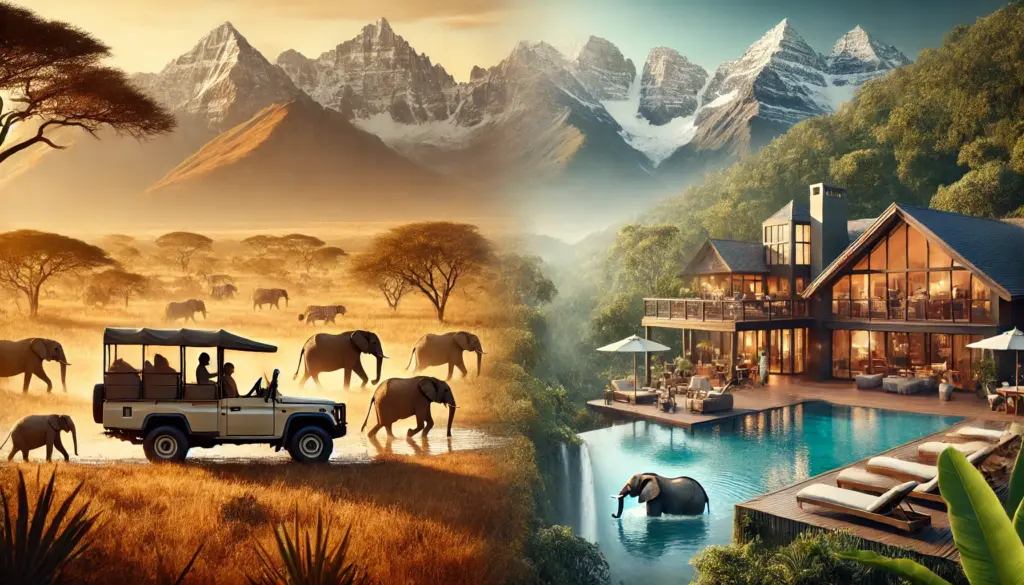
Imagine waking up to the sounds of the African savannah, enjoying a gourmet breakfast prepared by a private chef, and then embarking on a morning game drive in search of the Big Five. After a day filled with wildlife encounters, travelers may return to their luxurious lodge for a sunset dinner overlooking a waterhole, followed by an evening cultural performance featuring local dancers and musicians.
Conclusion
The world of ultra-luxury travel is defined by its commitment to personalization, exclusivity, and immersive experiences. Travel designers who specialize in crafting bespoke safari-to-cultural immersion journeys are redefining what it means to travel in style. By understanding their clients’ desires, curating unique experiences, ensuring comfort, and promoting sustainability, these designers create unforgettable adventures that resonate on a personal level. For travelers seeking more than just a vacation, but rather a transformative journey, engaging with ultra-luxury travel designers is the key to unlocking extraordinary experiences that blend adventure with cultural richness.