CRM software, also known as Customer Relationship Management software, plays a crucial role in enhancing sales forecasting for businesses. By providing a centralized platform to manage customer interactions, track sales activities, and analyze data, CRM software empowers organizations to make more accurate and informed sales forecasts. This introduction will explore the various ways in which CRM software enhances sales forecasting, ultimately helping businesses optimize their sales strategies and drive revenue growth.
Benefits of Using CRM Software for Sales Forecasting
Sales forecasting is a crucial aspect of any business. It helps companies predict future sales and plan their strategies accordingly. However, traditional methods of sales forecasting can be time-consuming and prone to errors. This is where CRM software comes in. CRM, or Customer Relationship Management, software is a powerful tool that can greatly enhance your sales forecasting process. In this article, we will explore the benefits of using CRM software for sales forecasting.
One of the key benefits of using CRM software for sales forecasting is the ability to gather and analyze data in real-time. With CRM software, you can track every interaction with your customers, from initial contact to final sale. This data can then be used to generate accurate sales forecasts. By having access to real-time data, you can make informed decisions and adjust your sales strategies accordingly.
Another benefit of using CRM software for sales forecasting is the ability to identify trends and patterns. CRM software can analyze large amounts of data and identify patterns that may not be immediately apparent. For example, it can identify which products are selling well and which ones are not. This information can help you make better decisions about which products to focus on and which ones to discontinue.
CRM software also allows you to segment your customer base and target specific groups with tailored marketing campaigns. By analyzing customer data, you can identify different customer segments and create personalized marketing messages for each segment. This targeted approach can greatly improve your sales forecasting accuracy.
Furthermore, CRM software can help you improve your customer relationships. By tracking every interaction with your customers, you can identify their needs and preferences. This information can then be used to provide personalized customer service and build stronger relationships. Strong customer relationships can lead to increased customer loyalty and repeat business, which in turn can improve your sales forecasting accuracy.
In addition to these benefits, CRM software can also help you streamline your sales process. By automating repetitive tasks, such as data entry and follow-up emails, CRM software can free up your sales team’s time to focus on more important tasks, such as closing deals. This increased efficiency can lead to higher sales and improved sales forecasting accuracy.
In conclusion, CRM software is a powerful tool that can greatly enhance your sales forecasting process. By gathering and analyzing real-time data, identifying trends and patterns, targeting specific customer segments, improving customer relationships, and streamlining your sales process, CRM software can help you make more accurate sales forecasts and improve your overall sales performance. So, if you want to take your sales forecasting to the next level, consider investing in CRM software.
Key Features of CRM Software for Sales Forecasting
Sales forecasting is a crucial aspect of any business. It helps companies predict future sales and plan their strategies accordingly. However, traditional methods of sales forecasting can be time-consuming and prone to errors. This is where CRM software comes in. CRM, or Customer Relationship Management, software is a powerful tool that can greatly enhance your sales forecasting capabilities. In this article, we will explore the key features of CRM software for sales forecasting and how they can benefit your business.
One of the key features of CRM software is its ability to collect and organize customer data. With CRM software, you can easily track and record customer interactions, such as phone calls, emails, and meetings. This data can then be used to analyze customer behavior and trends, which can be invaluable for sales forecasting. By understanding your customers’ preferences and buying patterns, you can make more accurate predictions about future sales.
Another important feature of CRM software is its ability to integrate with other business systems. For example, CRM software can be integrated with your company’s accounting software, allowing you to track sales and revenue in real-time. This integration eliminates the need for manual data entry and ensures that your sales forecasts are always up to date. Additionally, CRM software can also be integrated with your marketing automation tools, allowing you to track the effectiveness of your marketing campaigns and adjust your sales forecasts accordingly.
CRM software also offers advanced analytics capabilities. With CRM software, you can generate detailed reports and dashboards that provide insights into your sales performance. These reports can include metrics such as sales revenue, conversion rates, and customer acquisition costs. By analyzing these metrics, you can identify areas for improvement and make data-driven decisions to optimize your sales forecasting.
Furthermore, CRM software can help you streamline your sales processes. With CRM software, you can automate repetitive tasks, such as data entry and follow-up emails. This automation not only saves time but also reduces the risk of human error. By eliminating manual tasks, your sales team can focus on building relationships with customers and closing deals, which ultimately leads to more accurate sales forecasts.
In addition to these key features, CRM software also offers collaboration tools that can enhance your sales forecasting efforts. With CRM software, you can easily share customer data and sales forecasts with your team members. This collaboration ensures that everyone is on the same page and working towards the same goals. By fostering collaboration, CRM software can help improve the accuracy and reliability of your sales forecasts.
In conclusion, CRM software is a powerful tool that can greatly enhance your sales forecasting capabilities. Its ability to collect and organize customer data, integrate with other business systems, provide advanced analytics, streamline sales processes, and foster collaboration make it an invaluable asset for any business. By leveraging the key features of CRM software, you can make more accurate predictions about future sales and plan your strategies accordingly. So, if you want to take your sales forecasting to the next level, consider investing in CRM software today.
Best Practices for Implementing CRM Software in Sales Forecasting
Sales forecasting is a crucial aspect of any business. It helps companies predict future sales, plan their resources, and make informed decisions. However, traditional methods of sales forecasting can be time-consuming and prone to errors. That’s where CRM software comes in. CRM, or Customer Relationship Management, software is a powerful tool that can enhance your sales forecasting and revolutionize your business.
One of the best practices for implementing CRM software in sales forecasting is to ensure that all relevant data is captured and stored in the system. This includes customer information, sales history, and market trends. By having all this data in one place, you can easily analyze it and make accurate predictions about future sales. CRM software also allows you to track customer interactions, such as emails, phone calls, and meetings. This information can provide valuable insights into customer behavior and help you identify potential sales opportunities.
Another best practice is to regularly update and maintain your CRM software. This means keeping your customer data up to date, adding new leads and contacts, and removing outdated information. By doing so, you ensure that your sales forecasts are based on the most current and accurate data available. Regularly updating your CRM software also allows you to track changes in customer behavior and adjust your sales strategies accordingly.
Integration is another key aspect of implementing CRM software in sales forecasting. Your CRM system should be seamlessly integrated with other tools and software that your sales team uses. This includes email marketing platforms, lead generation tools, and accounting software. By integrating these systems, you can streamline your sales processes and ensure that all relevant data is captured and analyzed in one place. This integration also allows for better collaboration and communication between different departments within your organization.
Training and education are also important when implementing CRM software in sales forecasting. Your sales team should be properly trained on how to use the software and understand its features and capabilities. This includes learning how to input and update customer data, generate reports, and analyze sales trends. By providing your team with the necessary training, you ensure that they can effectively use the CRM software to enhance their sales forecasting efforts.
Lastly, it’s important to regularly evaluate and analyze the results of your sales forecasting efforts. CRM software provides you with valuable insights and analytics that can help you measure the accuracy of your forecasts. By comparing your actual sales with your forecasted sales, you can identify any gaps or discrepancies and make necessary adjustments. This continuous evaluation and analysis allow you to refine your sales forecasting strategies and improve your overall business performance.
In conclusion, CRM software is a powerful tool that can enhance your sales forecasting efforts. By capturing and analyzing relevant data, regularly updating and maintaining your CRM system, integrating it with other tools, providing training and education to your sales team, and evaluating and analyzing the results, you can make accurate predictions about future sales and drive your business forward. So, if you haven’t already, it’s time to consider implementing CRM software in your sales forecasting process.
How CRM Software Improves Accuracy in Sales Forecasting
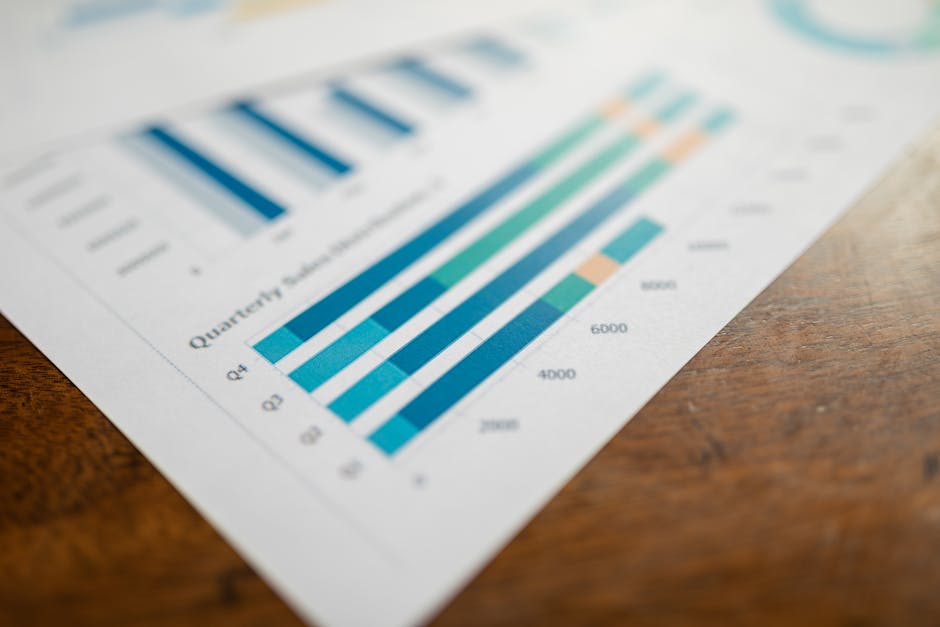
Sales forecasting is a crucial aspect of any business. It helps companies predict future sales, plan their resources, and make informed decisions. However, traditional methods of sales forecasting can be time-consuming and prone to errors. That’s where CRM software comes in. CRM, or Customer Relationship Management, software is a powerful tool that can greatly enhance the accuracy of your sales forecasting.
One way CRM software improves accuracy in sales forecasting is by providing a centralized database for all customer information. With CRM software, you can easily track and analyze customer interactions, such as emails, phone calls, and meetings. This data can then be used to identify patterns and trends, allowing you to make more accurate predictions about future sales.
In addition to tracking customer interactions, CRM software also allows you to segment your customer base. By categorizing customers based on factors such as demographics, buying behavior, and preferences, you can gain valuable insights into their needs and preferences. This information can then be used to tailor your sales strategies and forecasts to specific customer segments, increasing the accuracy of your predictions.
Another way CRM software enhances sales forecasting is by automating the process. Traditional methods of sales forecasting often involve manual data entry and calculations, which can be time-consuming and prone to errors. CRM software automates these tasks, saving you time and reducing the risk of human error. This allows you to generate forecasts more quickly and with greater accuracy.
Furthermore, CRM software can integrate with other business tools, such as accounting software and inventory management systems. This integration allows for real-time data sharing and updates, ensuring that your sales forecasts are always based on the most up-to-date information. By eliminating the need for manual data entry and ensuring data accuracy, CRM software further enhances the accuracy of your sales forecasting.
Additionally, CRM software provides powerful reporting and analytics capabilities. With just a few clicks, you can generate detailed reports and visualizations that provide insights into your sales performance. These reports can help you identify trends, spot opportunities, and make data-driven decisions. By leveraging the analytical capabilities of CRM software, you can improve the accuracy of your sales forecasting and drive better business outcomes.
In conclusion, CRM software is a valuable tool that can greatly enhance the accuracy of your sales forecasting. By providing a centralized database for customer information, allowing for segmentation, automating tasks, integrating with other business tools, and offering powerful reporting and analytics capabilities, CRM software enables you to make more accurate predictions about future sales. With CRM software, you can improve your sales forecasting process, make informed decisions, and drive better business results. So why wait? Start leveraging the power of CRM software today and take your sales forecasting to the next level.
Enhancing Sales Forecasting with CRM Software Analytics
Sales forecasting is a crucial aspect of any business. It helps companies predict future sales, plan their resources, and make informed decisions. However, traditional methods of sales forecasting can be time-consuming and prone to errors. That’s where CRM software comes in. With its advanced analytics capabilities, CRM software can enhance your sales forecasting and take it to the next level.
One of the key ways CRM software enhances sales forecasting is by providing real-time data. Gone are the days of relying on outdated spreadsheets and manual data entry. CRM software automatically captures and updates customer information, sales data, and other relevant metrics in real-time. This means that your sales forecasting is always based on the most up-to-date and accurate information available.
Furthermore, CRM software allows you to analyze historical sales data and identify patterns and trends. By examining past sales performance, you can gain valuable insights into what factors influence your sales and how they fluctuate over time. This information can then be used to make more accurate sales forecasts and adjust your strategies accordingly.
Another way CRM software enhances sales forecasting is through its ability to segment and categorize customers. By organizing your customer base into different groups based on demographics, buying behavior, or other criteria, you can better understand their needs and preferences. This knowledge can then be used to tailor your sales forecasts to specific customer segments, increasing their accuracy and effectiveness.
CRM software also enables you to track and measure the effectiveness of your sales strategies. By monitoring key performance indicators (KPIs) such as conversion rates, average deal size, or sales cycle length, you can identify which strategies are working and which ones need improvement. This data-driven approach to sales forecasting allows you to make data-backed decisions and optimize your sales processes for better results.
Furthermore, CRM software can integrate with other business tools and systems, such as marketing automation or inventory management software. This integration allows for a seamless flow of data between different departments, ensuring that your sales forecasting is based on a holistic view of your business operations. By having all the relevant information in one place, you can make more accurate sales forecasts and align your sales efforts with other areas of your business.
In addition to these benefits, CRM software also offers advanced reporting and visualization capabilities. Instead of sifting through spreadsheets and trying to make sense of complex data, CRM software presents your sales forecasts in easy-to-understand charts, graphs, and dashboards. This visual representation of your data makes it easier to identify trends, spot outliers, and communicate your sales forecasts to stakeholders.
In conclusion, CRM software is a powerful tool that can enhance your sales forecasting in numerous ways. From providing real-time data and analyzing historical sales performance to segmenting customers and tracking sales strategies, CRM software offers a comprehensive solution for accurate and effective sales forecasting. By leveraging the advanced analytics capabilities of CRM software, businesses can make more informed decisions, optimize their sales processes, and ultimately drive growth and success. So, if you want to take your sales forecasting to the next level, consider implementing CRM software into your business strategy.
Integrating CRM Software with Sales Forecasting Techniques
Sales forecasting is a crucial aspect of any business. It helps companies predict future sales and plan their strategies accordingly. However, traditional sales forecasting methods can be time-consuming and prone to errors. That’s where CRM software comes in. By integrating CRM software with sales forecasting techniques, businesses can enhance their forecasting accuracy and streamline their sales processes.
One of the key benefits of using CRM software for sales forecasting is the ability to gather and analyze customer data. CRM software allows businesses to track customer interactions, preferences, and buying patterns. This data can then be used to identify trends and make more accurate sales forecasts. For example, if a company notices that a particular customer segment tends to make larger purchases during a specific time of the year, they can adjust their sales strategies accordingly.
Another advantage of integrating CRM software with sales forecasting techniques is the ability to automate the forecasting process. Traditional forecasting methods often require manual data entry and calculations, which can be time-consuming and prone to errors. CRM software automates these tasks, saving time and ensuring accuracy. With just a few clicks, businesses can generate sales forecasts based on real-time data, allowing them to make informed decisions quickly.
CRM software also enables businesses to collaborate and share sales forecasts with their teams. This promotes transparency and ensures that everyone is on the same page. Sales managers can easily access and review sales forecasts, making it easier to allocate resources and set realistic targets. Additionally, CRM software allows for easy communication between sales teams, enabling them to share insights and best practices for more accurate forecasting.
Furthermore, CRM software provides businesses with valuable insights into their sales pipeline. By tracking the progress of leads and opportunities, businesses can identify potential bottlenecks and take proactive measures to address them. For example, if a company notices that a significant number of leads are dropping off at a particular stage in the sales process, they can investigate the issue and make necessary improvements. This not only improves forecasting accuracy but also helps optimize the overall sales process.
Integrating CRM software with sales forecasting techniques also allows businesses to measure the effectiveness of their sales strategies. By comparing actual sales data with forecasted figures, companies can identify areas of improvement and adjust their strategies accordingly. For example, if a company consistently falls short of their sales targets, they can analyze the data to identify potential reasons, such as ineffective marketing campaigns or inadequate sales training. This data-driven approach enables businesses to make data-backed decisions and continuously improve their sales performance.
In conclusion, integrating CRM software with sales forecasting techniques offers numerous benefits for businesses. From gathering and analyzing customer data to automating the forecasting process, CRM software enhances forecasting accuracy and streamlines sales processes. It promotes collaboration and transparency within sales teams, enabling them to make informed decisions and set realistic targets. Additionally, CRM software provides valuable insights into the sales pipeline and helps measure the effectiveness of sales strategies. By leveraging CRM software for sales forecasting, businesses can stay ahead of the competition and drive growth.
Case Studies: Successful Sales Forecasting with CRM Software
Sales forecasting is a crucial aspect of any business. It helps companies predict future sales and plan their strategies accordingly. However, traditional methods of sales forecasting can be time-consuming and prone to errors. That’s where CRM software comes in. CRM, or Customer Relationship Management, software is a powerful tool that can enhance your sales forecasting and help you make more accurate predictions.
One of the key benefits of using CRM software for sales forecasting is the ability to track and analyze customer data. With CRM software, you can easily collect and store information about your customers, such as their purchase history, preferences, and demographics. This data can then be used to identify patterns and trends, allowing you to make more informed sales forecasts.
For example, let’s say you run an online clothing store. With CRM software, you can track which products are most popular among your customers and when they are most likely to make a purchase. By analyzing this data, you can predict future sales and adjust your inventory accordingly. This not only helps you avoid stockouts but also ensures that you have the right products available at the right time, increasing customer satisfaction and boosting sales.
Another way CRM software enhances sales forecasting is by providing real-time data and insights. Traditional methods of sales forecasting often rely on historical data, which may not accurately reflect current market conditions. CRM software, on the other hand, allows you to access up-to-date information about your customers, competitors, and market trends.
For instance, let’s say you own a software company. With CRM software, you can track how your customers are using your product and gather feedback in real-time. This information can help you identify potential upsell or cross-sell opportunities and adjust your sales forecasts accordingly. By staying informed about your customers’ needs and preferences, you can make more accurate predictions and increase your sales.
Furthermore, CRM software can also help you streamline your sales process and improve collaboration among your sales team. By centralizing customer data and communication, CRM software ensures that everyone in your organization has access to the same information. This eliminates the need for manual data entry and reduces the risk of miscommunication or duplication of efforts.
For example, let’s say you manage a sales team for a telecommunications company. With CRM software, your sales representatives can easily access customer information, such as previous interactions and purchase history, before making a sales call. This not only saves time but also allows your sales team to provide personalized and targeted recommendations to customers, increasing the chances of closing a sale.
In conclusion, CRM software is a valuable tool that can enhance your sales forecasting and help you make more accurate predictions. By tracking and analyzing customer data, providing real-time insights, and streamlining your sales process, CRM software enables you to make informed decisions and increase your sales. So, if you want to take your sales forecasting to the next level, consider investing in CRM software today.
Conclusion
In conclusion, CRM software enhances sales forecasting by providing businesses with a centralized platform to collect, analyze, and interpret customer data. This allows for more accurate predictions of future sales trends, improved sales planning, and better decision-making. CRM software also enables businesses to track and measure sales performance, identify potential opportunities, and optimize sales strategies. Overall, CRM software plays a crucial role in enhancing sales forecasting and driving business growth.