“Effortlessly manage your finances with streamlined billing and invoicing using CRM software.”
CRM software is a powerful tool that helps businesses streamline their billing and invoicing processes. By integrating customer relationship management (CRM) functionalities with billing and invoicing capabilities, businesses can efficiently manage their financial transactions and improve overall efficiency. This introduction will explore how CRM software streamlines billing and invoicing, highlighting the benefits it brings to businesses.
Benefits of Using CRM Software for Billing and Invoicing
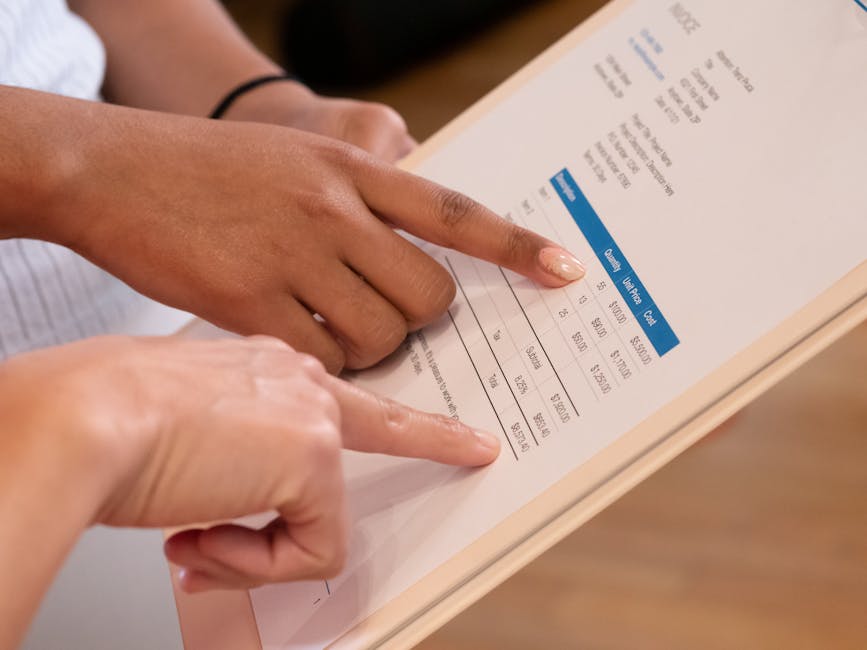
How CRM Software Streamlines Billing and Invoicing
In today’s fast-paced business world, efficiency is key. Companies are constantly looking for ways to streamline their processes and improve productivity. One area that often causes headaches for businesses is billing and invoicing. Keeping track of payments, generating invoices, and ensuring timely payments can be a time-consuming and tedious task. However, with the advent of Customer Relationship Management (CRM) software, this process has become much easier and more efficient.
CRM software is designed to help businesses manage their interactions with customers and streamline various aspects of their operations. One of the key benefits of using CRM software is its ability to simplify and automate billing and invoicing processes. By integrating billing and invoicing functionalities into a CRM system, businesses can save time, reduce errors, and improve cash flow.
One of the main advantages of using CRM software for billing and invoicing is the ability to automate repetitive tasks. With CRM software, businesses can set up automated workflows that generate invoices and send them to customers at predetermined intervals. This eliminates the need for manual data entry and reduces the risk of errors. Additionally, CRM software can automatically calculate taxes, discounts, and other charges, ensuring accurate and consistent invoicing.
Another benefit of using CRM software for billing and invoicing is the ability to track payments and manage outstanding balances. CRM systems can provide real-time visibility into payment statuses, allowing businesses to easily identify overdue payments and take appropriate actions. This helps improve cash flow and reduces the risk of late or missed payments. Additionally, CRM software can generate payment reminders and notifications, ensuring that customers are aware of their outstanding balances and encouraging prompt payment.
CRM software also offers robust reporting and analytics capabilities, which can be invaluable for businesses when it comes to billing and invoicing. With CRM software, businesses can generate detailed reports on sales, revenue, and payment trends. This information can help identify potential issues, such as customers with consistently late payments or products with low profitability. Armed with this data, businesses can make informed decisions and take proactive measures to improve their billing and invoicing processes.
Furthermore, CRM software can integrate with other financial systems, such as accounting software or payment gateways, further streamlining the billing and invoicing process. This integration eliminates the need for manual data entry and ensures that all financial information is accurate and up to date. It also allows businesses to easily reconcile payments and track financial transactions, saving time and reducing the risk of errors.
In conclusion, CRM software offers numerous benefits when it comes to billing and invoicing. By automating repetitive tasks, tracking payments, providing robust reporting and analytics, and integrating with other financial systems, CRM software streamlines the billing and invoicing process, saving businesses time and improving cash flow. With its user-friendly interface and powerful functionalities, CRM software is a valuable tool for any business looking to streamline their operations and improve efficiency. So, if you’re tired of spending hours on billing and invoicing, it’s time to consider implementing CRM software and experience the benefits firsthand.
Q&A
CRM software streamlines billing and invoicing by automating the process, centralizing customer data, and integrating with accounting systems.In conclusion, CRM software streamlines billing and invoicing processes by automating tasks, centralizing customer data, and providing real-time insights. This improves efficiency, accuracy, and customer satisfaction, ultimately leading to increased revenue and business growth.